

Ergonomic Office Chair Review: Selecting the Best Support for Sciatica and Back Pain
Austin DibiasiWhen it comes to setting up a comfortable and ergonomic home office, selecting the right chair is crucial. With so many options available, how can you determine which home office chair is a good chair?
Here are some things to take into consideration during your home office chair hunt.
Consider Ergonomics
The Crucial Role of Ergonomics in Sciatica and WFH Injury Prevention
When selecting your home office chair, the choice is fundamentally about injury mitigation, not just comfort. For professionals managing chronic conditions like sciatica or persistent lower back pain, the ideal chair must function as a therapeutic device. To understand how this critical choice fits into the larger strategy of optimizing your workspace for health and productivity, we recommend consulting the The Definitive Guide to Home Office Essentials. This is achieved by prioritizing specific, adjustable features essential for spinal decompression and maintaining the natural 'S' curve of the spine.
Look exclusively for chairs featuring dynamic, adjustable lumbar support—a key component for offloading pressure from the lower spine and alleviating sciatic nerve compression. Furthermore, chairs must have adjustable seat depth (slide) to ensure the user's hips are positioned correctly, preventing pelvic rotation that exacerbates back issues.
https://www.mayoclinic.org/-/media/kcms/gbs/patient-consumer
/images/2016/04/19/07/36/mcdc7_office_ergonomics.jpg
Quality Materials Matter
Quality Materials: Durability as a Sustainable Practice
Quality materials are central to both long-term comfort and the Eco-Conscious mandate. In the high-end ergonomic market, durability directly correlates with sustainability, as a chair built to last 8 to 15 years drastically reduces consumption and waste compared to cheaper, short-lifecycle alternatives.
Prioritize certified, durable materials: Breathable mesh upholstery, which allows heat dissipation to prevent sweat buildup and prolong material lifespan, is essential for comfort during prolonged sitting. Furthermore, opt for chairs with high-quality, recyclable frames (e.g., polished aluminum or steel bases) over non-recyclable plastic components. This commitment to longevity is a direct contribution to minimizing e-waste and supporting the principles of circular design.
https://www.btod.com/blog/best-mesh-office-chairs/
Adjustability is Key
Adjustability is Essential for Injury Prevention and Blood Flow
The argument for an adjustable ergonomic chair is rooted in preventative health. Studies confirm that prolonged, unsupported sitting is linked to significant health issues, including muscle weakening, obesity, and even conditions like deep vein thrombosis (DVT). For professionals, choosing a chair that offers a full range of adjustability is a critical investment against these risks.
The key adjustments that mitigate strain are:
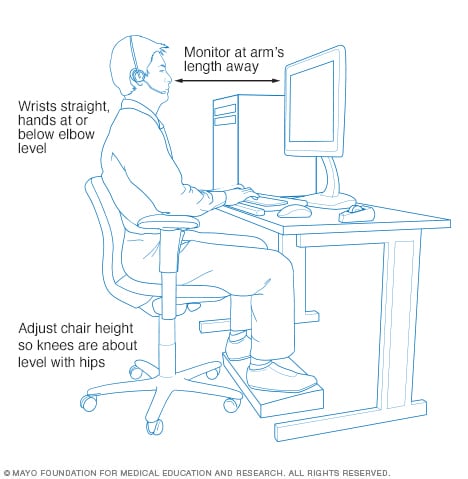
Seat Height Customization: Ensures your feet are flat on the floor and knees are bent at a 90-degree angle, as recommended by organizations like the Mayo Clinic, [Image from Original Post] preventing knee-joint stress.
Adjustable Backrest and Lumbar Support: Maintains the spine's natural curve, directly reducing the risk of chronic back pain and neck strain.</li><li>
Full Tilt and Lock Mechanism: Allows the user to shift posture throughout the day, improving circulation and preventing the muscle stagnation associated with fixed seating.
Customizing these elements ensures the chair supports your body correctly, promoting the posture necessary to remain focused and energized throughout your workday.
In summary, adjustable chairs offer superior comfort, support, and health benefits compared to regular chairs, making them a better choice for individuals who spend significant time sitting.' - Q: Are ergonomic office chairs better than normal chairs? https://www.jr-racingchair.com/info/there-are-many-reasons-why-ergonomic-chairs-ar-82803508.html
Support and Comfort
The Investment Rationale: Support Beyond the Workday
Adequate support for your lower back is not merely a comfort feature; it is a prerequisite for productivity. If you anticipate long, focused periods without breaks, the chair must actively support your most vital joints, ensuring you avoid post-work fatigue and soreness. The correct chair allows you to stay focused on important assignments and look forward to your post-work day energized, not sore.
When evaluating padding and cushioning, look for density and contouring that cradle the pelvis and spine. This final decision should be viewed not just as a consumer purchase, but as a strategic health investment that allows you to work longer, healthier, and with reduced risk of chronic pain. To ensure every component of your workspace—from monitors to connectivity—is optimized to the same standard, access the full blueprint in The Definitive Guide to Home Office Essentials.
Look for a chair that provides adequate support for your lower back to prevent strain. Additionally, consider the padding and cushioning of the seat to ensure optimal comfort, especially if you spend extended periods sitting at your desk.
https://www.wenaifurniture.com/blogs/
blog/11-best-chairs-for-back-support-comfort-and-ergonomics-for-your-spine
Style and Aesthetics
While comfort and ergonomics are essential, don't overlook the style and aesthetics of the chair. Choose a design that complements your home office decor and reflects your personal taste while still meeting your functional needs.
By considering factors such as ergonomics, quality materials, adjustability, support, comfort, and style, you can identify the best home office chair for your workspace. Remember, investing in a high-quality chair is an investment in your health and productivity.
https://www.architecturaldigest.com/story/
best-office-chairs-tested-and-reviewed
Recommendations
1. The Home Ergonomic Reclining Lift Office Chair has all the key factors when it comes to a "Good Home Office Chair."

